Ledger Live Login: The Complete Guide to Securely Accessing Your Crypto
Managing cryptocurrencies securely is one of the most important aspects of investing in digital assets. Ledger Live, the official companion application for Ledger hardware wallets, allows users to access, track, and manage multiple cryptocurrencies while keeping their private keys offline. Central to this process is the Ledger Live login, which ensures that only authorized users can access the funds.
This guide covers everything about Ledger Live login, from installation and connection to security practices, troubleshooting, and advanced tips for optimizing your login experience.
1. What Is Ledger Live Login?
Ledger Live login is the process of accessing your cryptocurrency dashboard by connecting your Ledger hardware wallet to the Ledger Live application. Unlike traditional web-based wallets, Ledger Live does not require a username, email, or online password. Instead, your access is secured through:
Your Ledger hardware wallet (Nano S, Nano X, or Nano S Plus).
A PIN code that unlocks the device.
This approach ensures that your private keys never leave your hardware wallet, making Ledger Live one of the most secure ways to manage crypto.
2. Why Ledger Live Login Is Critical
The login process in Ledger Live is much more than a gateway—it is a security checkpoint that protects your funds:
Prevents unauthorized access: Without your hardware wallet and PIN, your funds cannot be accessed.
Secures transactions: Each transaction requires confirmation directly on the hardware device.
Maintains privacy: Ledger Live does not require personal information like email or phone numbers.
Ensures offline key storage: Private keys remain offline, reducing exposure to online threats.
In short, Ledger Live login is the foundation of safe cryptocurrency management.
3. Installing Ledger Live
Before logging in, Ledger Live must be properly installed on your device:
Step 1: Download
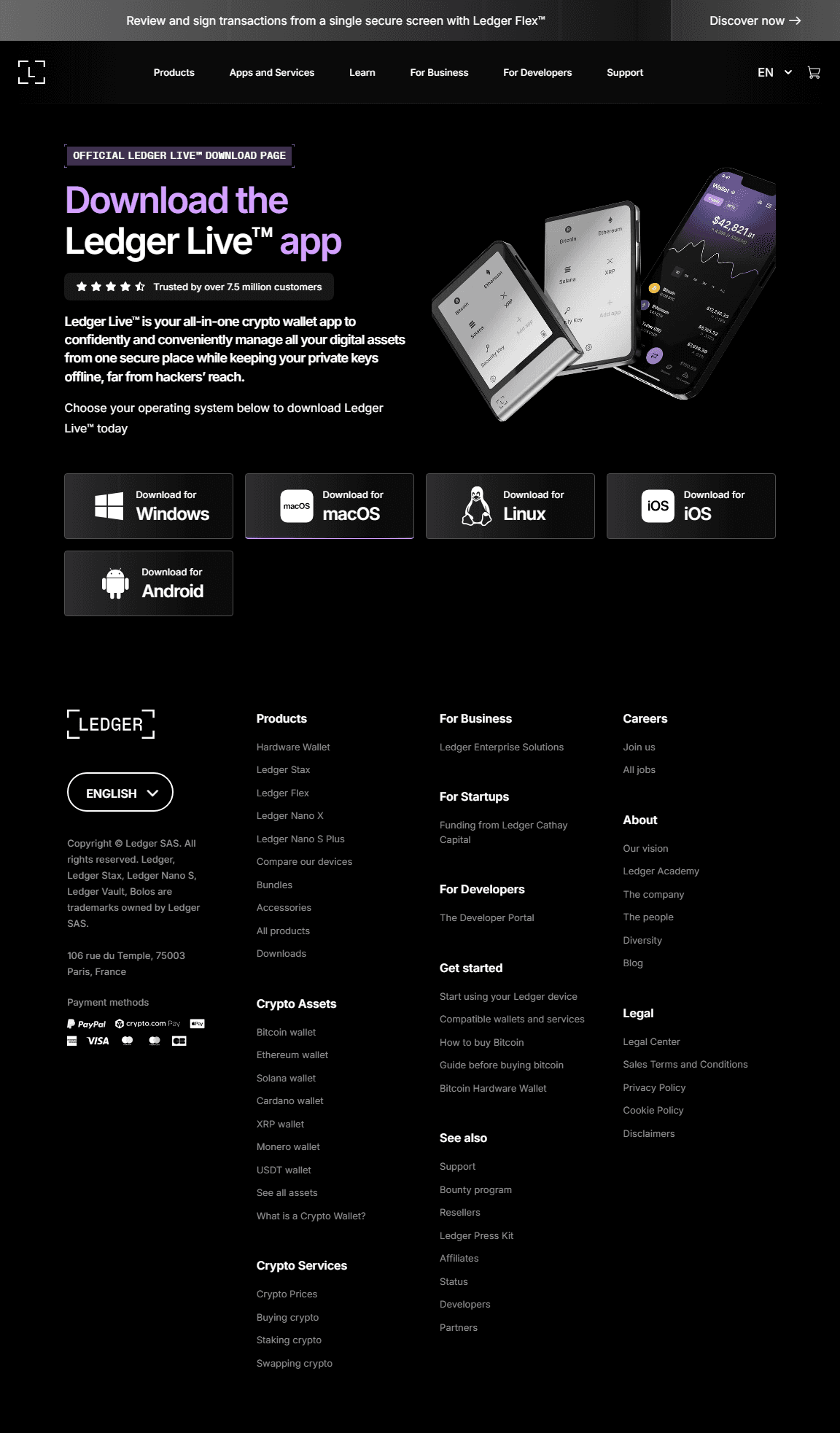
Visit the official Ledger website and download Ledger Live for your platform: Windows, macOS, Linux, iOS, or Android.
Step 2: Install
Run the installer and follow the on-screen instructions.
Avoid unofficial sources to prevent malware and phishing attacks.
Step 3: Initialize
Open Ledger Live and choose either to set up a new device or restore an existing wallet.
If setting up a new wallet, create a secure PIN and safely record your 12- or 24-word recovery phrase offline.
Once installed and initialized, you are ready to log in to Ledger Live.
4. How Ledger Live Login Works
Ledger Live login is simple but secure. Here are the main methods:
Desktop Login
Connect your Ledger hardware wallet via USB.
Unlock the device by entering your PIN.
Open Ledger Live, which will automatically detect your hardware wallet.
Access your dashboard to view balances, transactions, and portfolio information.
Restoring an Existing Wallet
Select “Restore device from recovery phrase” in Ledger Live setup.
Enter your 12- or 24-word recovery phrase in the correct order on your hardware device.
Set a new PIN code for the device.
Open Ledger Live and connect the hardware wallet to access your funds.
Mobile Login (Ledger Nano X Bluetooth)
Enable Bluetooth on both the Ledger Nano X and your mobile device.
Open the Ledger Live mobile app and select “Connect Device.”
Follow pairing instructions and enter your PIN on the Ledger device.
Access your portfolio, send or receive funds, and stake crypto from your mobile.
All login methods require physical access to your hardware wallet and the correct PIN code.
5. Dashboard Overview After Login
Once logged in, Ledger Live provides a user-friendly dashboard:
Portfolio: Displays your total holdings and individual cryptocurrency balances.
Accounts: Shows separate wallets for each supported coin.
Send & Receive: Securely transfer funds.
Buy & Swap: Purchase or swap crypto without exposing private keys.
Staking & Rewards: Monitor staking status and earnings for supported cryptocurrencies.
Every operation requires confirmation on the hardware wallet, which adds a crucial layer of security.
6. Security Best Practices for Ledger Live Login
Even with Ledger Live’s inherent security, following best practices is essential:
Never share your recovery phrase or PIN. Ledger Live will never ask for them.
Use a strong PIN to prevent unauthorized access.
Keep Ledger Live updated to the latest version to fix vulnerabilities.
Verify addresses on the hardware device before confirming any transaction.
Avoid logging in on public or shared computers.
Secure your recovery phrase offline, ideally in a fireproof or waterproof location.
By following these practices, you can ensure your login remains safe and your crypto is secure.
7. Troubleshooting Ledger Live Login Issues
Some common issues users face when logging into Ledger Live include:
Device Not Detected
Make sure the device is unlocked.
Check your USB connection or cable.
Update Ledger Live and your device firmware.
PIN Code Errors
Multiple wrong PIN attempts can temporarily lock the device.
Use your recovery phrase to reset the device if necessary.
Bluetooth Pairing Problems
Ensure both devices have Bluetooth enabled.
Restart the Ledger Live app and the hardware device.
Forget and re-pair the device if problems persist.
App Crashes
Restart Ledger Live and your device.
Reinstall Ledger Live if the issue continues.
8. Advanced Tips for Ledger Live Login
Maintain separate accounts for long-term holdings and active trading.
Enable real-time notifications to monitor transactions and balances.
Pair multiple mobile devices with Ledger Live for convenience.
Combine Ledger Live with DeFi platforms for enhanced portfolio management.
Periodically check for firmware updates to ensure security improvements.
These tips enhance both login security and overall cryptocurrency management.
9. Ledger Live Login and Privacy
Ledger Live does not require personal information, email, or cloud storage. All data remains encrypted and transactions are verified directly on the blockchain. The login method—hardware wallet plus PIN—ensures maximum privacy and anonymity while maintaining security.
10. Logging Out Safely
Even though Ledger Live doesn’t store online passwords, it’s important to log out securely:
Disconnect your Ledger hardware wallet after each session.
Close Ledger Live on shared or public devices.
Verify transaction addresses directly on the device before sending.
Avoid storing PIN codes or sensitive information digitally.
These steps reduce the risk of unauthorized access to your funds.
11. Why Ledger Live Login Is Secure
Ledger Live login stands out due to several key security features:
Hardware wallet verification: The device must be physically present.
Offline private keys: Private keys never leave the hardware wallet.
Transaction confirmation on device: Prevents remote hacks.
No cloud storage: Reduces exposure to server breaches or online attacks.
This makes Ledger Live one of the most trusted applications for cryptocurrency management.
12. Conclusion
Ledger Live login is not just about accessing your cryptocurrency—it is the first line of defense in protecting your assets. By using your Ledger hardware wallet and PIN, you ensure that private keys remain offline while enjoying the convenience of managing, sending, receiving, swapping, and staking cryptocurrencies.
Following best practices, keeping Ledger Live updated, and verifying transactions on your device guarantees maximum security. Ledger Live login effectively combines ease of use, privacy, and top-level security, making it an essential tool for anyone serious about cryptocurrency.