Ledger Live Login: A Complete Guide to Accessing and Managing Your Crypto Securely
Ledger Live is the official software application developed by Ledger to manage cryptocurrencies stored on Ledger hardware wallets, such as the Ledger Nano S and Ledger Nano X. Unlike online wallets or exchange platforms, Ledger Live works in tandem with a hardware wallet to ensure your private keys never leave your device, offering unmatched security.
One of the most critical aspects of using Ledger Live is logging in correctly and securely. This guide will provide a detailed walkthrough of everything related to Ledger Live login, including installation, connection with your device, security best practices, troubleshooting, and advanced tips.
1. What Is Ledger Live Login?
Ledger Live login is the process by which users access their cryptocurrency management interface on a computer or mobile device. Unlike traditional software accounts, Ledger Live does not require a username, email, or cloud password. Instead, access is granted by connecting your Ledger hardware wallet and entering your PIN code.
This approach ensures that your private keys remain offline, meaning even if your computer is compromised, your funds remain secure.
2. Why Ledger Live Login Is Important
The login process in Ledger Live is not just a formality—it’s a critical part of cryptocurrency security:
Protects your funds: Accessing Ledger Live requires the hardware wallet, which keeps your private keys offline.
Ensures transaction security: Every transaction requires physical confirmation on your Ledger device.
Prevents unauthorized access: Without your device and PIN, no one can access your funds, even if they have Ledger Live installed on their computer.
Maintains privacy: Ledger Live doesn’t require personal information like email or social accounts.
A secure login process is the first line of defense in protecting your digital assets.
3. Installing Ledger Live for Login
Before you can log in, Ledger Live must be installed properly:
Step 1: Download the Application
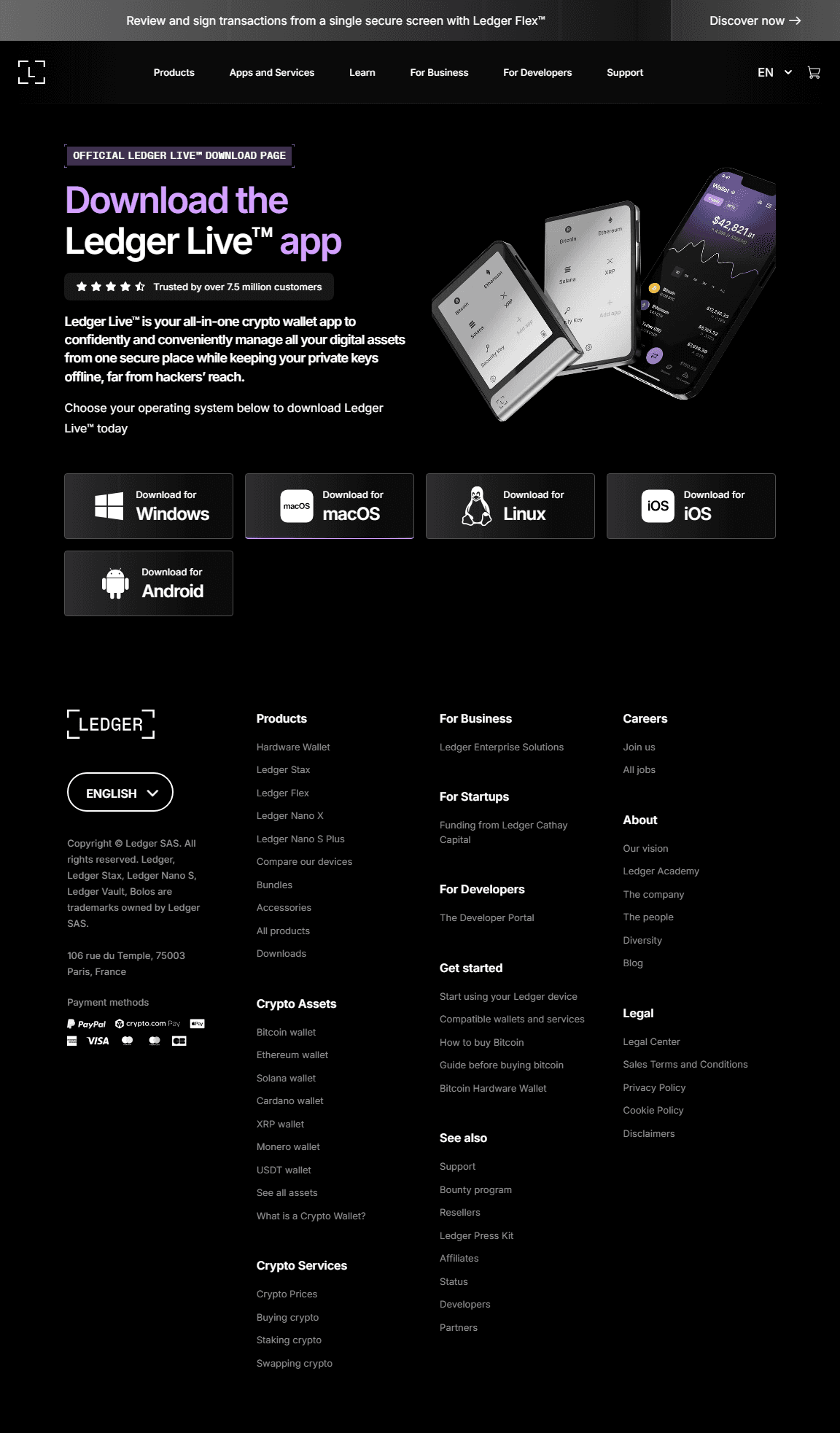
Visit the official Ledger website to download Ledger Live.
Select the correct version for your platform: Windows, macOS, Linux, iOS, or Android.
Step 2: Install Ledger Live
Run the downloaded installer and follow the on-screen instructions.
Only use official sources to prevent malware or phishing attacks.
Step 3: Initial Setup
Launch Ledger Live and choose either “Set up a new device” or “Restore from recovery phrase.”
If setting up a new device, create a secure PIN and write down your 12- or 24-word recovery phrase offline.
Once installed and initialized, Ledger Live is ready for login with your hardware wallet.
4. Ledger Live Login Methods
Ledger Live login is straightforward but requires specific steps based on your setup:
Using a New Ledger Device
Connect your Ledger device to the computer or mobile device.
Unlock the device using your PIN code.
Open Ledger Live; the application will detect the hardware wallet.
Access your dashboard to view balances, portfolio, and transaction history.
Restoring an Existing Wallet
Select “Restore device from recovery phrase” during Ledger Live setup.
Enter the 12- or 24-word recovery phrase in the correct order on your Ledger device.
Set a new PIN code and confirm.
Open Ledger Live and connect the device to access your crypto.
Mobile Login (Ledger Nano X Bluetooth)
Ensure Bluetooth is enabled on both the mobile device and Ledger Nano X.
Open Ledger Live mobile app.
Select “Connect Device” and follow prompts to pair.
Enter your PIN on the Ledger device and access your portfolio.
All login methods rely on the hardware wallet and PIN code—no password is stored online.
5. Dashboard After Login
Once logged in, Ledger Live provides a user-friendly dashboard:
Portfolio Overview: Displays balances for all supported cryptocurrencies and total portfolio value.
Accounts: Shows individual wallets for each coin.
Send & Receive: Allows you to securely send and receive crypto.
Buy & Swap: Lets you purchase or swap cryptocurrencies directly in Ledger Live.
Staking & Rewards: Monitor staking rewards for supported coins.
Every action requires physical confirmation on the Ledger device, adding an extra layer of security.
6. Security Best Practices for Ledger Live Login
The security of your Ledger Live login is only as strong as the practices you follow:
Never share your PIN or recovery phrase. Ledger Live will never ask for your recovery phrase.
Use a strong PIN code for your hardware wallet to prevent unauthorized access.
Keep Ledger Live updated to the latest version to avoid vulnerabilities.
Always confirm transaction details on the hardware device before authorizing.
Pair Ledger Nano X securely via Bluetooth to avoid unauthorized mobile access.
Avoid public computers or Wi-Fi when logging in.
These steps ensure that your login and all subsequent transactions remain secure.
7. Troubleshooting Ledger Live Login Issues
Even experienced users may encounter issues when logging in. Common problems include:
Device Not Detected
Ensure the Ledger device is unlocked and properly connected.
Update Ledger Live and the device firmware.
Try a different USB port or cable.
PIN Code Issues
If you forget your PIN, use your recovery phrase to reset the device.
Avoid entering the wrong PIN multiple times—too many incorrect attempts may temporarily lock the device.
Mobile Pairing Problems
Ensure Bluetooth is enabled on both devices.
Restart Ledger Live mobile app and Ledger Nano X.
Forget and re-pair the device if necessary.
App Crashes
Restart the application and your device.
Clear cache or reinstall Ledger Live if the problem persists.
8. Advanced Tips for Ledger Live Login
Use separate accounts for long-term and active trading to reduce risk exposure.
Enable portfolio notifications for real-time updates on balances and transactions.
Pair multiple devices with Ledger Live mobile for easier access.
Combine Ledger Live with DeFi apps for advanced crypto management.
Regularly back up your recovery phrase in a secure offline location.
These tips ensure not only secure login but also efficient management of crypto assets.
9. Ledger Live Login and User Privacy
Ledger Live does not require email registration or cloud storage, which enhances user privacy. Every transaction is verified directly on the blockchain, and private keys remain offline. By logging in only with your hardware wallet and PIN code, your identity and holdings remain confidential.
10. Logging Out Safely
Even though Ledger Live does not store passwords, safe logout practices are important:
Disconnect your Ledger device after each session.
Close Ledger Live, especially on shared or public computers.
Ensure addresses are verified on the hardware wallet before sending crypto.
Avoid storing PIN codes or sensitive information digitally.
These practices minimize risk even if the computer or mobile device is compromised.
11. Why Ledger Live Login Is Secure
Ledger Live login stands out for its unique security features:
Hardware Wallet Verification: Login requires the physical device.
Offline Private Keys: Keys never leave the hardware wallet.
Transaction Confirmation on Device: All actions must be physically confirmed, preventing remote hacks.
No Cloud Storage: Eliminates the risk of server breaches.
These features make Ledger Live one of the most secure ways to manage cryptocurrencies.
12. Conclusion
Ledger Live login is more than just a way to access your portfolio—it is a critical component of crypto security. By connecting your hardware wallet, entering your PIN, and following best practices, you ensure that your assets remain safe while enjoying all the features Ledger Live offers.
From portfolio tracking to sending, receiving, swapping, and staking cryptocurrencies, Ledger Live login serves as the gateway to secure and efficient crypto management. With proper setup, login procedures, and security measures, Ledger Live provides a seamless and safe experience for both beginners and advanced users.